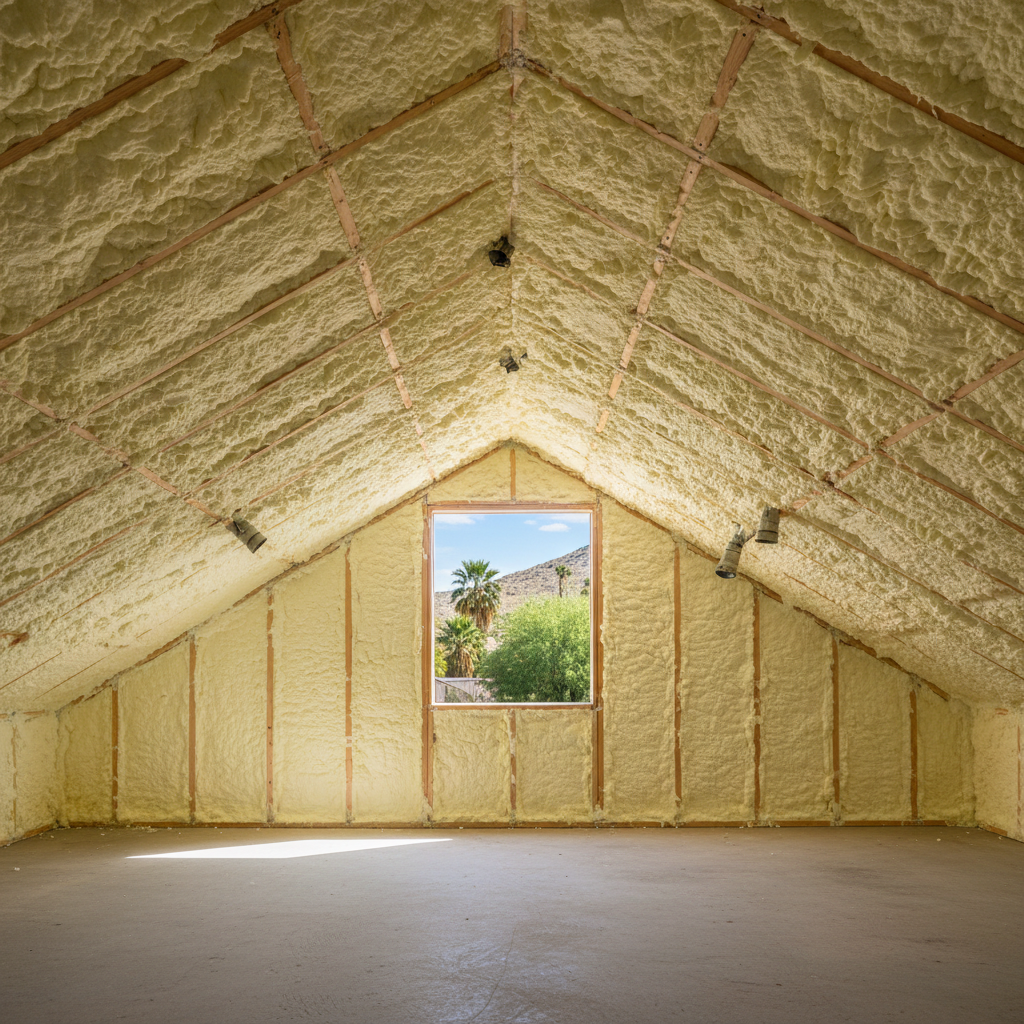
When's the best time to get open cell spray foam insulation put into your Glendale home? Honestly, that's a question I hear a lot, and the answer isn't always super simple. Our desert climate throws a few curveballs, and knowing what to expect can really save you some headaches and make sure you get the best results.
Why Installation Timing Really Matters for Open Cell Spray Foam
Open cell spray foam is pretty incredible stuff. It expands to fill every little nook and cranny, creating an amazing air seal and a fantastic thermal barrier. But it's also a product that reacts to its surroundings, especially temperature and humidity, while we're putting it in. You can't just spray it wherever, whenever.
The chemicals need to be at a specific temperature so they can mix and react correctly. If it's too cold, the foam might not expand enough, or it could end up too dense. If it's too hot, it might cure too fast, which can lead to problems like shrinkage or not sticking well. We're talking about a chemical reaction here, right? And just like a good recipe, you need the right conditions for it to turn out.
The Best Seasons for Getting It Installed
For us here in Glendale, the sweet spot for open cell spray foam installation is usually spring or fall. Think March through May, or late September through November. Why those times?
- Moderate Temperatures: Daytime highs aren't usually scorching, and the nights aren't freezing. This gives the foam a nice, stable environment to cure properly.
- Lower Humidity: We don't get super humid all that often, but those monsoon storms can bring in a lot of moisture. Generally, less humidity is better for that initial cure.
- Comfort for the Crew: Let's be real, working in an attic when it's 115 degrees out is brutal. A more comfortable crew means they're more focused, more efficient, and give you a higher-quality installation.
Now, that said, we do install year-round. It just means we have to be smarter about it and sometimes work odd hours or take extra precautions during extreme weather. We've insulated plenty of homes in the heat of July, but it definitely needs careful planning and monitoring.
What About When the Weather Gets Extreme?
Our Glendale summers are no joke. When it's 110 degrees outside, your attic can easily hit 140-150 degrees. That's tough on the foam, and it's tough on the guys applying it. We might shift our schedule to start super early in the morning or work into the evening to avoid the peak heat. We also have to be extra vigilant about ventilation and making sure the foam isn't curing too quickly.
On the flip side, though rare, we do get some colder days in winter. If temperatures drop below, say, 40 degrees, we might need to use heaters in the space to bring it up to an acceptable temperature for those chemicals to react correctly. It's all about creating that perfect environment for the product to do its job, isn't it?
Protecting Your Investment All Year Long
Once your open cell spray foam is in, it's pretty low maintenance. That's one of its big draws. But there are a few things you can do to make sure it keeps performing its best:
- Don't Mess with It: Try not to disturb the foam. If you need to run new wires or pipes through an insulated area, be careful not to tear or compress the foam unnecessarily. If you do, it's a good idea to seal up any gaps you create.
- Fix Leaks Right Away: While open cell foam can handle some moisture, it's not a waterproof barrier. If you have a roof leak or a plumbing issue, get it fixed immediately. Long-term exposure to water can really compromise the foam's integrity.
- Keep Up with Ventilation: If your attic was specifically designed for proper ventilation with the open cell foam, make sure nothing is blocking those vents. This is especially true for homes in areas like Yucca District that might have older, less robust attic ventilation systems.
- Regular Home Check-ups: Just do your normal home maintenance. Check your roof, inspect your plumbing. Catching problems early is always cheaper than dealing with a major repair later, right?
At Glendale Spray Foam Insulation, we're all about getting it done right the first time. Understanding how our local climate affects open cell spray foam installation means you get a better, longer-lasting product. If you're thinking about upgrading your insulation, give us a call. We'll walk you through the best plan for your home and the current season.