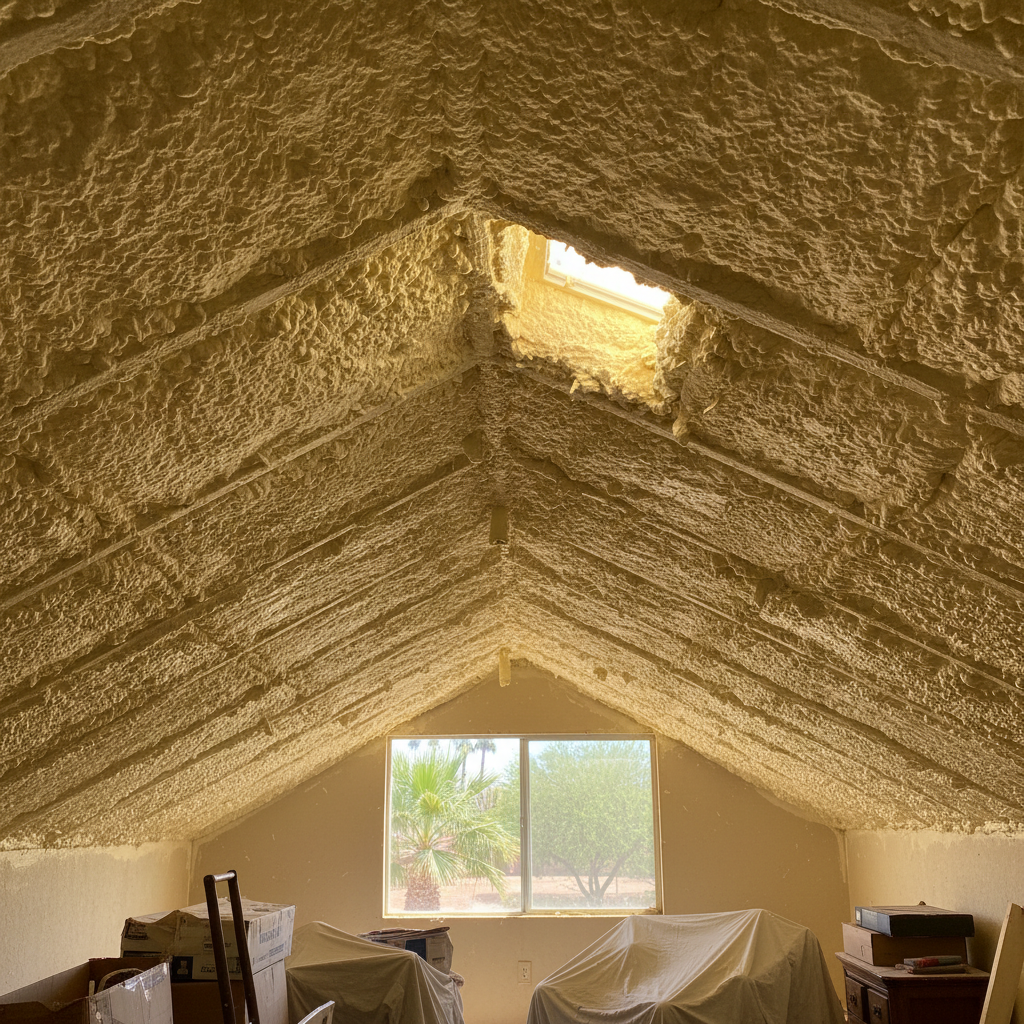
You're probably wondering, when's the best time to get spray foam insulation installed here in Glendale? It's a fair question, and honestly, the answer isn't always as simple as 'anytime.' Our Arizona weather, especially that brutal summer heat, plays a big role in how and when we can do the job right.
Timing Your Spray Foam Installation in Glendale
Look, I've been doing this a long time, and I've seen folks try to rush things. But with spray foam, timing can really make a difference for both the installation process and your long-term comfort. Generally, the shoulder seasons – spring and fall – are ideal. Why? Because the temperatures are usually more moderate.
When it's too hot, like those 115-degree days we get in July, the attic can be a furnace. That makes it tough on the crew, sure, but it also affects how the foam cures. If it's too cold, which isn't often a problem here, but can happen on a rare winter morning, the chemicals might not react as they should. We need that 'just right' temperature for the foam to expand and cure properly, creating that perfect airtight seal you're paying for.
That said, we work year-round. It just means we have to be smarter about scheduling. Sometimes, that means starting earlier in the day during summer or making sure the attic has proper ventilation before we even think about spraying. We'll always discuss the conditions with you beforehand.
Weather Conditions That Affect Spray Foam Work
Beyond just temperature, there are a few other weather factors we keep an eye on:
- Humidity: This is a big one. Closed-cell spray foam, which is what we often recommend for attics and exterior walls here in the desert, reacts with moisture. While our humidity is generally low, a sudden monsoon storm can change things. Too much humidity can sometimes affect the curing process, making the foam less dense than it should be. We monitor humidity levels carefully.
- Wind: Not usually a huge issue for interior jobs like attics, but if we're doing an exterior wall or a commercial project, strong winds can carry the spray. It's not just about overspray; it can also cool the foam too quickly as it's being applied, impacting its adhesion and density.
- Rain: Obviously, we can't spray foam on a wet surface. If you've got a leaky roof, that needs to be fixed before we even think about insulation. We're sealing your home, and sealing in moisture is the last thing you want.
We're pros, so we know how to work around these things. Sometimes it means adjusting the spray rig's settings, sometimes it means rescheduling for a better day. Our goal at Glendale Spray Foam Insulation is always to give you the best possible result, and that means respecting what Mother Nature throws at us.
Protecting Your Investment Year-Round
Once your spray foam is in, you've made a great investment. Now, how do you make sure it keeps working hard for you?
First off, don't mess with it. Seriously. Spray foam is tough, but if you're up in the attic running new wiring or plumbing, be careful not to damage the foam. If you do accidentally cut into it, give us a call. We can usually patch it up pretty easily to maintain that thermal barrier.
Next, think about ventilation for other areas. Even with a sealed attic (which is common with spray foam), you still need proper ventilation in bathrooms and kitchens to manage moisture. That's not about the foam failing; it's about overall home health. We see a lot of older homes in areas like Yucca District with original construction that didn't account for modern ventilation needs. Make sure your exhaust fans are working and used regularly.
Finally, just do your regular home maintenance. Keep an eye on your roof for leaks, check your HVAC system, and make sure your windows and doors are sealed up tight. Spray foam does a fantastic job of air sealing, but it can't fix every draft if other parts of your home are neglected. Think of it as part of a whole-house system.
The bottom line is, spray foam is incredibly durable and effective, especially in our hot climate. Getting it installed correctly, at the right time, and then taking a few simple steps to protect it, will ensure you're comfortable and saving money on energy bills for decades to come.