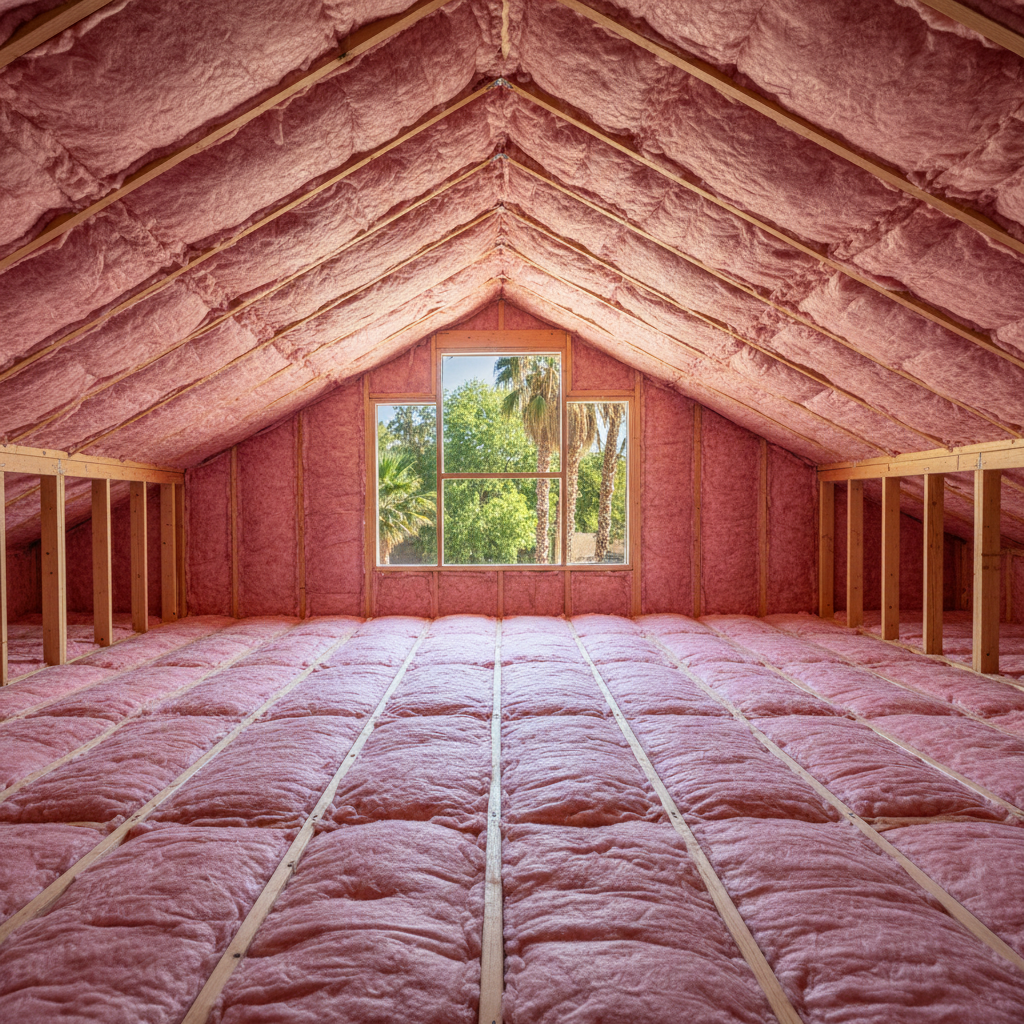
Planning Your Batt Insulation Project: A Glendale Homeowner's Guide
So, you're thinking about getting batt insulation put into your Glendale home. That's a really smart move, especially with our Arizona summers, right? But before you just jump in, you really need a plan. I've seen a lot of these projects over my years, and honestly, a little preparation goes a long way. It helps make sure things run smoothly and you actually get what you're paying for.
What's the Timeline Look Like?
Let's talk about how long this whole thing usually takes, from that first idea to when it's all done. It's not an overnight job, no, but it's not some multi-week saga either.
- Initial Research & Quotes (1-2 weeks): You're actually doing this part right now by reading this! You'll want to get a few quotes from local contractors. Don't just go with the first guy you talk to. Seriously, get at least three. This helps you compare prices, see what services they offer, and really get a feel for who you'd trust in your home.
- Scheduling (1-4 weeks out): Once you've picked a contractor, you'll get on their schedule. Good contractors, especially here in Glendale, are often booked a few weeks out. This is particularly true during busy times like spring and fall, when everyone starts thinking about how to save on energy. So, don't expect them to start tomorrow.
- Project Day(s) (1-3 days): For most home batt insulation jobs, the actual installation itself can usually be done in a day or two. If it's a really big house, or if they're doing a full tear-out and then putting new insulation back in, it might stretch to three days. This covers everything: prep, installation, and then cleaning up.
- Post-Installation (Ongoing): Once it's in, you'll start feeling the difference right away. Your AC won't have to work nearly as hard, and your home will just feel more comfortable.
What to Expect During the Process
Okay, so you've got a contractor lined up. What happens when they actually show up?
- Arrival & Setup: The crew will arrive, usually with a truck full of insulation batts and all their tools. They'll protect your floors and furniture, especially if they're going into the attic or walls and need to bring materials through your living space. They're professionals; they know how to keep things tidy.
- Access Points: For attic insulation, they'll be up in your attic, naturally. For wall insulation, they might need to take out some drywall or use special tools to get the batts into place. Don't worry, they'll patch things up afterward. If you're in an older home, like some of those ranch styles near Grand Avenue, getting access can sometimes be a bit trickier, but a good crew knows exactly how to handle it.
- Installation: They'll cut and then fit the batt insulation snugly into the joist cavities or wall studs. This isn't a job for leaving gaps; proper fitting is absolutely key to how well it performs. They'll also make sure the vapor barrier (if your project needs one) is facing the correct way for our climate.
- Clean-up: Once the insulation is in, they'll clean up any debris, packaging, and dust. They really should leave your home as clean, or even cleaner, than they found it.
- Final Walk-through: A good contractor will do a walk-through with you, explain what they did, and answer any questions you have. This is your chance to check out their work.
How to Prepare Your Home
You can actually help make the project go smoother and faster. Here's what I usually tell people:
- Clear the Path: Make sure the crew has a clear path to all the work areas. If they're going into the attic, move anything that's blocking the attic access. If they're working in certain rooms, push furniture away from the walls.
- Protect Valuables: While the crew will be careful, it's always a good idea to move any delicate or valuable items out of the work zone. Just for your own peace of mind, you know?
- Pets & Kids: Keep pets and kids away from the work area. It's a construction zone, after all, and it's just safer for everyone if they're not underfoot. Maybe plan a playdate or a trip to Sahuaro Ranch Park for the day.
- HVAC: You might want to turn off your HVAC system during the installation, especially if they're working in the attic. This stops dust and fibers from getting circulated through your home.
- Ask Questions: If you have any concerns before they even start, speak up! A good contractor wants you to feel comfortable.
Crucial Questions to Ask Before Signing a Contract
This is where you protect yourself and make sure you're getting a quality job. Don't be shy about asking.