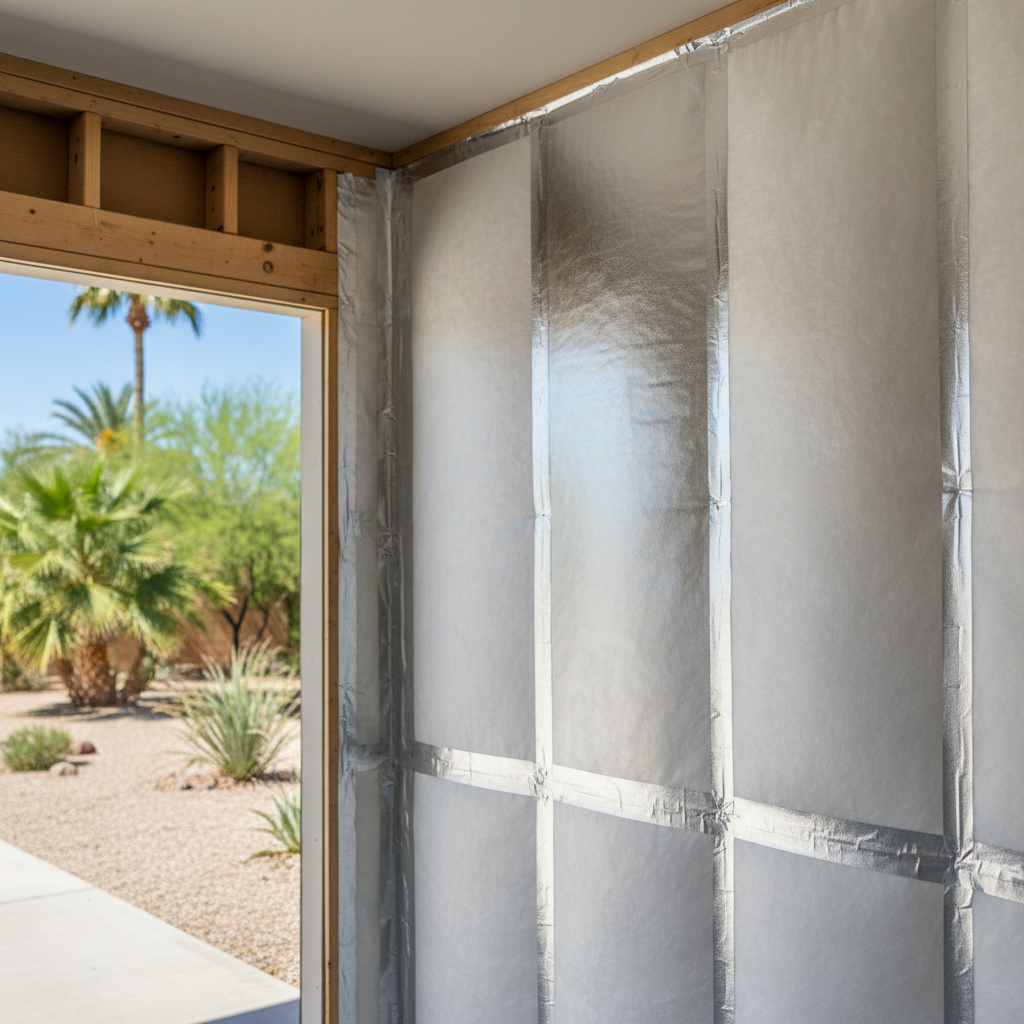
Why Bother Insulating My Garage in Glendale? It's Not a Living Space.
That's a common thought, and honestly, I get it. For a lot of folks, the garage is just for parking cars or maybe stashing some old boxes. But here in Glendale, with our summers regularly hitting 115 degrees, that garage turns into a giant heat sink, practically glued to your house. Even if you barely step foot out there, that heat just radiates right through the shared walls and ceiling, pouring into your living areas. This makes your AC work overtime, which, as you can imagine, drives up those energy bills. Plus, if you've got a workshop, a home gym, or even just a spare fridge out there, you'll be a whole lot more comfortable. And that fridge? It'll run way more efficiently if the temperature is somewhat controlled. It's not just about feeling good, you know; it's about protecting anything you store from extreme heat and making your whole home more efficient.
What's the Best Type of Insulation for a Garage Door?
Okay, so insulating the garage door itself is a bit different from insulating the walls or ceiling. You're usually looking for something lightweight, something that won't mess with the door's balance or how it opens and closes. For most standard sectional garage doors, rigid foam panels—think polystyrene or polyisocyanurate—are usually the way to go. You can often buy kits made specifically for garage doors. They're cut to fit right inside the door panels and are pretty easy for a handy homeowner to install. They don't have the same high R-value as spray foam, but they definitely make a noticeable difference. Now, if you've got a custom or older door, or if you're really serious about getting every last bit of efficiency out of your garage, sometimes a professional spray foam application to the interior side of the door can work. But that's a more specialized job, and you've really got to be careful about the added weight.
Will Insulating My Garage Really Lower My Energy Bills?
Absolutely, it will. Maybe not as dramatically as insulating your attic, but it definitely helps, believe me. Think about it: if your garage is 110 degrees all summer, and it shares a wall with your kitchen or a bedroom, that heat is constantly trying to sneak into your air-conditioned space. Your AC unit has to work harder, and for longer, to fight off all that radiant heat. By insulating the garage walls, ceiling, and even the door, you're essentially creating a thermal barrier. You're cutting down on the heat transfer from the garage into your home. What does this mean? Your AC won't cycle as often, and when it does, it won't have to work nearly as hard to keep your indoor temperature just right. I've seen homeowners in neighborhoods like Arrowhead Ranch report noticeable drops in their summer bills after insulating their garages, especially if they also seal up any air leaks.
Can I Insulate My Garage Myself, or Should I Hire a Pro?
It really depends on what you're trying to achieve and, well, how handy you are. Insulating a garage door with a kit? Totally DIY-friendly for most people. Adding fiberglass batts to exposed wall studs or ceiling joists if you're finishing the space? That's also a pretty manageable DIY project. You'll need to measure carefully, cut the batts, and make sure you've got a good vapor barrier if needed (though in our dry climate, it's less critical than in humid areas). But if you're looking at spray foam for the walls, ceiling, or even the garage door, that's almost always a job for a professional. Spray foam requires specialized equipment, training, and safety gear. You need to get the mix right, apply it evenly, and ensure proper ventilation during and after application. For a thorough, long-lasting, and high-performance job, especially with spray foam, calling in a company like Glendale Spray Foam Insulation is your best bet.
What About Insulating the Garage Ceiling if There's a Room Above It?
This is a big one, and it's often overlooked. If you have a bonus room, a bedroom, or any other living space directly above your garage, insulating that garage ceiling is absolutely crucial. It's essentially another floor of your house, after all. Without proper insulation there, all that heat from the garage just goes straight up into the room above, making it much harder to keep cool in the summer and warm in the winter. For this, I usually recommend spray foam. It creates a seamless air seal and provides excellent R-value, preventing both heat transfer and air leakage. If spray foam isn't in the budget, dense-packed cellulose or even fiberglass batts can work, but you'll want to make sure they're installed tightly against the subfloor above to minimize air gaps. Don't skimp here; it makes a huge difference to the comfort of that upstairs room.
Will Insulating My Garage Help with Noise Reduction?
You bet it will. Insulation isn't just for thermal control; it's also a fantastic sound dampener. If you've got a noisy workshop, a band practice space, or just want to reduce the sound of your kids playing basketball against the garage door, insulation will help. Materials like fiberglass batts and especially spray foam have excellent sound-absorbing properties. They fill cavities, reduce reverberation, and create a barrier that muffles outside noises from coming in and inside noises from getting out. So, if your garage shares a wall with a bedroom and you're tired of hearing the lawnmower start up at 7 AM, or you just want a quieter space for your projects, insulation will definitely contribute to a more peaceful environment.