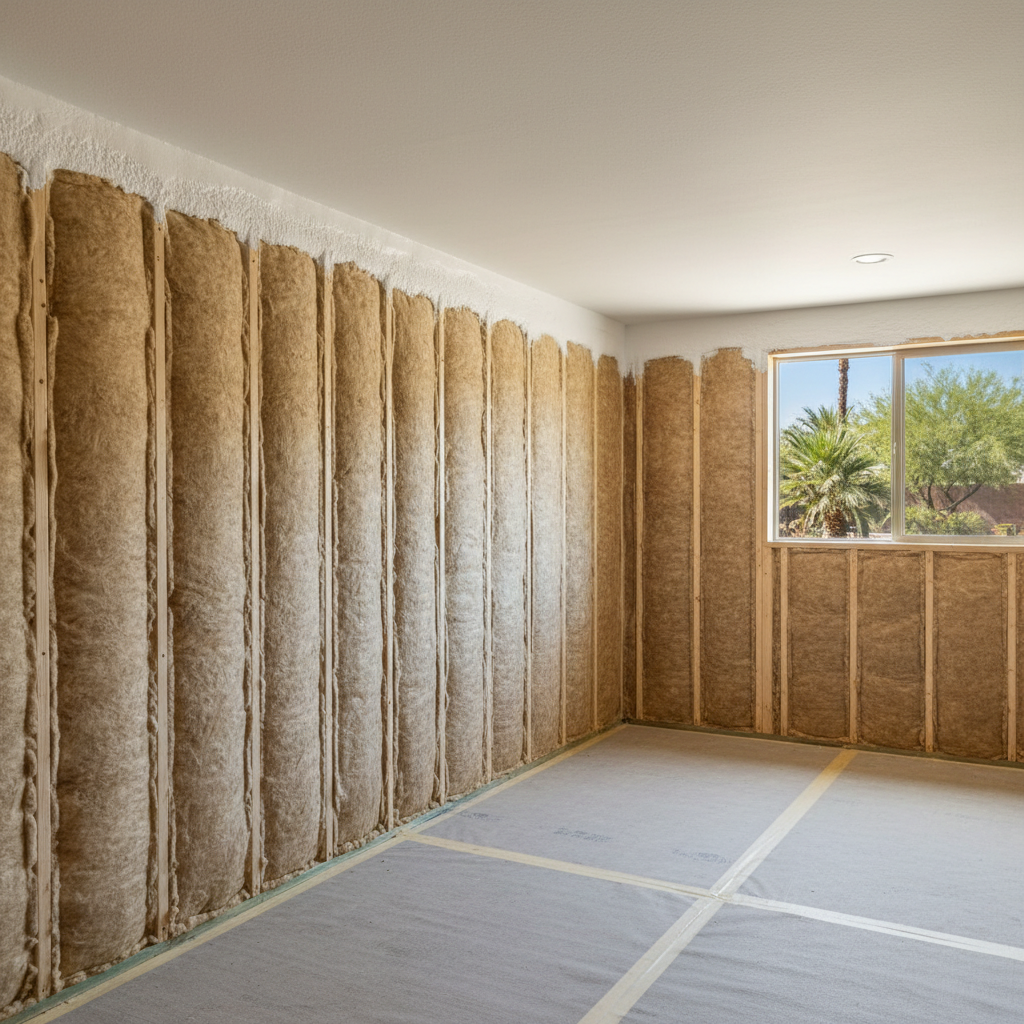
Thinking about insulating your basement? Good call! It's a smart move for both comfort and your energy bills, especially here in Glendale where our summers are brutal and winters can still get pretty chilly. But over the years, I've seen too many homeowners trip up, making some really common — and expensive — mistakes, whether they're hiring someone or trying to tackle the job themselves. So, let's talk about what you really need to watch out for.
First Off: Don't Ignore Moisture Problems
This is probably the biggest blunder, and frankly, it's a huge red flag if a contractor doesn't even bring it up. You simply cannot just slap insulation over a damp or leaky basement wall and expect things to go well. All you're doing is trapping that moisture, which is a perfect recipe for mold, mildew, and eventually, structural damage. I've walked into basements in older neighborhoods like the Yucca District where folks tried to cut corners, and you can smell the mustiness before you even spot the peeling paint or warped drywall.
Before any insulation goes in, your basement absolutely has to be dry. That means checking for foundation cracks, making sure your gutters are clear and sending water far away from the house, and maybe even thinking about a French drain or sump pump if you're dealing with serious groundwater issues. If a contractor just wants to quote you insulation without asking about moisture, well, thank them for their time and find someone else. Seriously, do not skip this step.
Picking the Wrong Insulation Type for Basements
Not all insulation is created equal, especially when you're talking about a basement environment. You've got choices: fiberglass batts, rigid foam boards, and spray foam. Each has its place, but some are definitely better suited for basements than others.
- Fiberglass Batts: Sure, they're cheap, but they're just not ideal for basements. Fiberglass can soak up moisture, which, as we just discussed, is a huge problem. Once it gets wet, it loses its R-value, can sag, and becomes a breeding ground for mold. You'll often see it squished behind utility lines or pipes, which also kills its effectiveness.
- Rigid Foam Boards: Now these are a much better choice. They resist moisture and give you a good thermal break. You'll often see them installed right against the concrete walls. The trick here is making sure they're sealed properly at the seams to stop air leakage.
- Spray Foam (Closed-Cell): This is usually my top pick for basements, especially for those concrete walls. Closed-cell spray foam creates an air and vapor barrier all in one go. It sticks right to the wall, filling every little nook and cranny, and it won't absorb moisture. Yeah, it costs more up front, but the performance and the peace of mind are typically worth it in the long run. Plus, it adds a bit of structural rigidity, which is a nice bonus, right?
Don't let a contractor push you into the cheapest option if it's not the right one for your specific basement conditions. Ask questions — make them explain *why* they recommend a certain type.
Forgetting About Air Sealing
Insulation is only half the battle. If you don't properly air seal your basement, you're just leaving money on the table. Air leaks can cause a significant amount of heat loss or gain. Think about all those little openings: pipes coming through the wall, electrical wires, gaps around windows and doors, that rim joist area where your foundation meets the framing of your house.
A good insulation job always includes sealing these areas. This might mean using caulk, expanding foam, or even specialized tapes. If a contractor only talks about R-value and doesn't mention air sealing, they're missing a really critical part of the whole equation. You want to create a tight envelope down there, not just add fluff to the walls.
Not Insulating the Rim Joist
Speaking of air sealing, the rim joist is a notorious spot for drafts and energy loss. This is the perimeter of your floor framing that sits right on top of your foundation walls. It's often overlooked, but it's a huge thermal bridge where outdoor air can easily sneak into your basement.
Insulating and air sealing the rim joist area is absolutely crucial. Spray foam works wonders here because it expands to fill all those irregular gaps and creates a continuous barrier. Even if you're using rigid foam boards for the walls, you should definitely address the rim joist with a proper air seal and insulation.
Hiring the Cheapest Bid Without Doing Your Homework
Look, I totally get it. Everyone wants a good deal. But when it comes to something as important as basement insulation, going with the absolute lowest bid without checking references, licenses, and insurance is just a gamble. A cheap price often means cut corners, inexperienced labor, or using inferior materials.
Ask for proof of insurance and licensing. Check their reviews online. Ask for references and actually call them. A reputable company like Glendale Spray Foam Insulation will be completely transparent about their process, materials, and pricing. We're not just selling insulation; we're selling a solution to your comfort and energy problems. If a quote seems too good to be true, it probably is. You really don't want to pay twice to fix a bad job.
Insulating your basement is an investment. Do it right the first time, and you'll enjoy a more comfortable home and lower energy bills for years to come. Cut corners, and you'll be dealing with headaches and potentially more expensive repairs down the road.