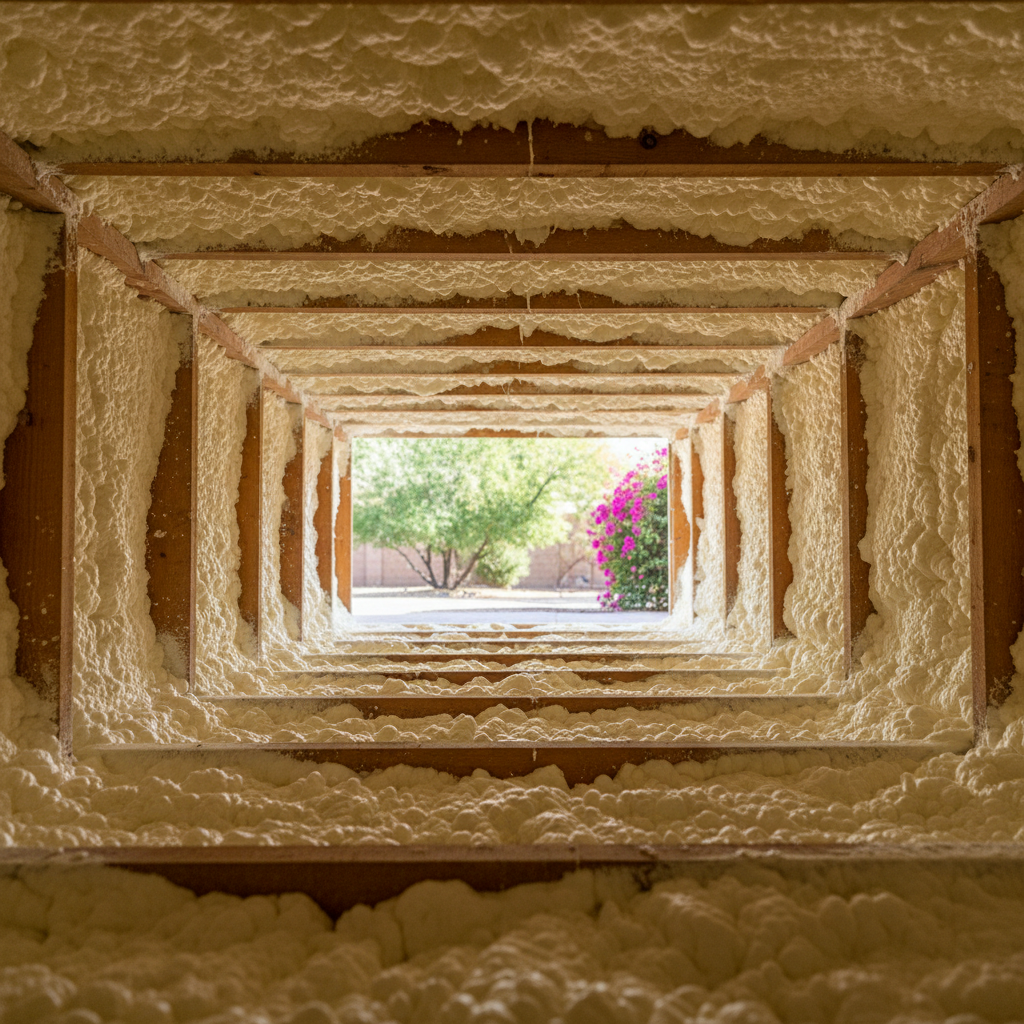
Is your crawl space insulated? For a lot of folks in Glendale, that's probably a shrug. It's not exactly the prettiest part of your house, I get it. But honestly, it plays a huge role in how comfortable your home feels and what you pay for energy, especially with our super hot summers and those surprisingly chilly winter nights.
Why Even Bother with Crawl Space Insulation?
You might be thinking, 'It's just a crawl space, who cares?' Well, you really should. Your crawl space is essentially the base your home sits on. If it's not insulated right, it's a direct open door for outside temperatures to mess with your indoor climate. Here in Glendale, that means hot, humid air sneaking in all summer, making your AC work overtime. Then, in winter, cool air gets in, driving up your heating costs. Insulation also helps control moisture, which is a big deal around here, especially near irrigated areas or in older homes in neighborhoods like Yucca District where the soil can really hold onto water.
Before You Start: What to Check
Before you even think about insulation, you've got to take care of a few things. This isn't optional; it's absolutely critical. First, check for any moisture issues. Standing water, damp soil, or even just a musty smell means you've got a problem. You can't just insulate over moisture; you'll only trap it, which leads to mold, rot, and all sorts of headaches. So, fix any leaks, improve your drainage, and maybe consider a vapor barrier if you don't have one already. Second, look for pests. Critters just love uninsulated, damp crawl spaces. Make sure to seal up any entry points before you accidentally give them a cozy new home with your insulation.
You'll also want to make sure your crawl space is clean. Get rid of any debris, old insulation, or anything else that doesn't belong. This is a dirty job, no two ways about it. Frankly, it's one where hiring a pro might be worth it just to avoid the grime. But if you're up for it, grab a good respirator, gloves, and some old clothes.
DIY Crawl Space Insulation: The Batt Approach
If your crawl space is dry, clean, and you can actually get into it, you might think about installing fiberglass or mineral wool batts yourself. This is usually the most common DIY route. Here's the basic idea:
- Measure carefully: You'll need to know the width between your floor joists and their depth. Most joists are 16 or 24 inches on center, you know.
- Cut to fit: Batts come in rolls or pre-cut sections. You'll want to cut them so they fit snugly between the joists. Don't squish them too much, though; insulation works by trapping air, and compressing it makes it less effective.
- Face the right way: If your batts have a paper or foil facing, that's usually a vapor barrier. In our climate, you generally want that vapor barrier facing the conditioned space – so, up against the subfloor. This helps stop moisture from the crawl space from moving into your home.
- Support them: Batts won't stay up on their own. You'll need to use insulation hangers (those wire rods that fit between joists) or netting to keep them securely in place against the subfloor.
This can be a tough job. You're often on your back, in a tight space, dealing with itchy material. It's doable, sure, but it's not exactly fun, especially in the summer heat.
When to Call a Pro: The Spray Foam Advantage
Now, if your crawl space is particularly tight, hard to get to, or you're dealing with uneven surfaces and lots of pipes and wires, DIY batts quickly become a nightmare. That's where a professional using spray foam insulation really shines. Here's why I often recommend it:
- Superior Seal: Spray foam expands to fill every single crack and crevice. It creates an airtight seal that batts just can't match, period. This is huge for stopping air leakage, which causes a lot of energy loss.
- Moisture Control: Closed-cell spray foam, specifically, acts as its own vapor barrier. That means it offers excellent moisture resistance. This is a big win for our desert climate and can really help protect your home's foundation.
- Pest Deterrent: Because it seals everything so tightly and isn't something pests want to eat, spray foam makes it much harder for them to get in and set up shop.
- Structural Support: Closed-cell foam can even add a little rigidity to your floor joists, though that's more of a bonus benefit.
When you call us at Glendale Spray Foam Insulation, we're not just spraying foam. We're actually assessing your entire crawl space environment. We look at ventilation, moisture, and access to make sure the job gets done right the first time. It's an investment, yes, but the long-term savings on energy bills and the improved comfort are usually well worth it.
After the Project: What to Monitor
Once your crawl space is insulated, whether you did it yourself or hired a pro, don't just forget about it. Do a periodic check, maybe once or twice a year. Look for any signs of new moisture, pest activity, or if any DIY batts have fallen down. If you went with spray foam, it's pretty much set and forget, but it's still good practice to peek in there. You'll likely notice a difference in your home's comfort pretty quickly – fewer cold spots in winter, and your AC won't be fighting the heat from below as much in the summer. That's the real payoff, isn't it?